
I looked out of the back bedroom window one morning and thought, yes, it might be warm, but this is definitely November.
The lawn lay under a carpet of wet, brown leaves from the apple tree and the borders were still filled with the drooping death of summer annuals and perennials.
The distant and not too distant fields were hidden in mist. All was quiet, all was still.
After that long, hot, dry summer it at least looked normal at last.
I am lucky enough to sometimes feel I am living in a glade in a wood because there are so many trees all around me.
Now nearly all the deciduous leaves have fallen and only those of a neighbouring contorted willow are still clinging on.
Most of the orange berries from one of my rowans have already been eaten by the blackbirds, the other is still laden with pink berries.
They probably won’t be eaten until well into the new year.
I wonder what the difference is to a bird’s taste buds?
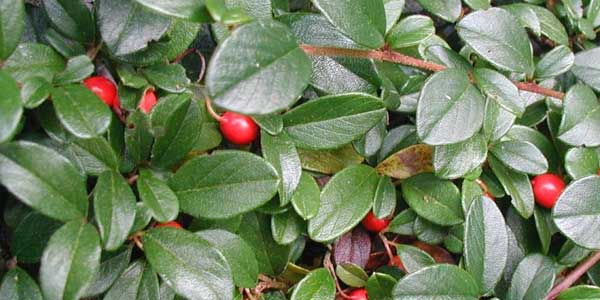
Perhaps they are more sour early on. I have a cotoneaster which was only planted two years ago, and that has quite a good crop of red berries.
Hopefully these will coax fieldfares and redwings into the garden one day, the main reason for my getting it.
One day recently I heard something on the radio about salmon stripping that took me back to our old home in Devon.
A friend of ours owned a fishing inn in a tiny village which we had visited so many times that it eventually led us to move into that beautiful county.
Because our friend’s world revolved around the River Torridge, it followed that he had a lot to do with the stocking and watching over the fish in his stretch of the river.
He regularly took part in salmon stripping at this time of the year, which is done to help conserve fish stocks.
Hen fish are stroked along their length to release the eggs and the same is done to the cock fish to release the milt.
The milt and eggs are then mixed and released, either into a hatchery or back to the river into the redds, the pockets in the river bed made by the female.
On one memorable occasion, Brian and I were walking along the banks of the Torridge and stopped on a bridge, to watch six salmon jostling for position over a shallow area of gravel, much paler and cleaner looking than the surrounding river bed.
It was a sure sign that the females had been making their redds.
The females were in the deeper water just to the side and slightly above the redds, then they drifted backwards, nose upstream until, with sudden quicksilver movements, they were over the gravel, jostling each other out of the way.
As we walked on towards the weir, we saw one salmon actually in the process of making a redd, flapping around on her side whilst frantically beating her tail to scoop out a hole.
The river tumbled over the weir into foaming white water. Every so often from the turbulence came a tremendous flurry of activity as fish launched themselves into space in their efforts to get over the top to the next level.
There seemed to be a large number doing this, most of them a good size – 8 lbs or more – and one really huge thing that was considerably larger than the others that it didn’t make much effort to jump very high at all.
Maybe he’d done it in so any previous years that he couldn’t be bothered any more. Many others however reached three quarters of the way up before sliding back down again, and every now and then some reached the top.
It’s amazing what makes them defy nature in this way.
There was, after all, a much easier way up – a fish pass that had been specially built for them just to the side – but very few of them used it whilst we were watching.
After each flurry of activity there was a lull of two or three minutes and I could just imagine the fish getting their breath back beneath the white cauldron of water before their leader shouted, “Ready guys? Ok – go, go, go.”
What a marvellous month it’s been this year.
The colours have been spectacular, although all seemed to be over quite quickly.
The first week in November was windy and over the weekend, many trees were almost stripped over night.
My cherry, however is still throwing its gold and scarlet leaves around, on the road, into neighbouring gardens and carpeting my front lawn and borders.
I’ve no idea how old this tree is but it must be at least 40.
This winter I shall have to have it pruned again as it’s finding the telephone wires to tangle in and it is getting far too big for my small space.
It’s a beautiful thing although its bubble pink blossoms always seem to herald a strong wind in spring.
What a strange year it has been, not just here but, I think, world wide.
When the rain at last arrived at Goldsneys, the thirsty earth gulped it down, then seemed to think it was spring.
I have a large clump of white candytuft flowering profusely as though it is April, even though the bulbs for next spring were only planted three or four weeks ago and I think I can see the first early daffodils of some of the more established ones already poking through.
Quite a bit of the rain we have had during the last few weeks has fallen at night, which is very obliging of it.
However, the temperature is much higher than it should be for this time of the year.
Oh, it would be so good if we had a spell of really cold weather again.
Quite apart from the fact that it would be normal, it would smell of winter, with that sharp scent of frost and perhaps the occasional smoky scent from a bonfire.
And right now I suspect inside many houses there will be that very particular spicy smell of Christmas – things like puddings boiling and rich fruit cakes baking.
A very happy and peaceful Christmas to you all.